Source Adjustable Horse Trail Tie for racing, driving, and riding
Find 30 verified options for the Adjustable Horse Trail Tie suitable for racing, driving, and general riding. Buyers can compare specifications like material, size, and customization features from multiple suppliers in China.
Key considerations
Products List


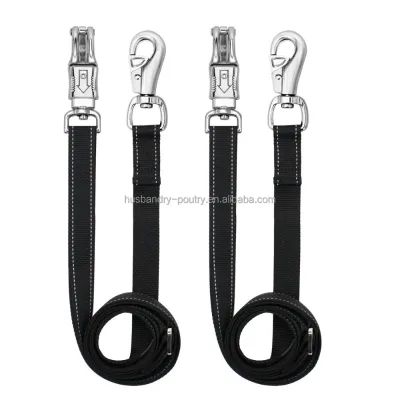
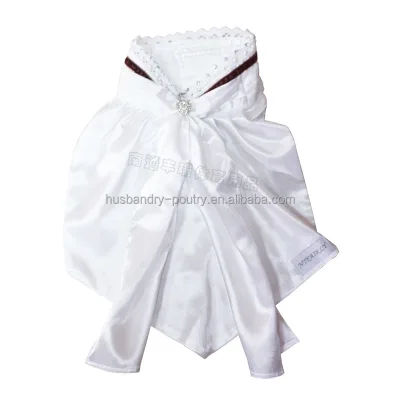

Customized Logo Horse Dressage Saddle Pad Equestrian Supplier Horse Gear
$34.00 - $36.00
MOQ: 20 Pieces

Customized Equestrian Horse Racing Bridle Genuine Leather Horse Halters
$20.00 - $50.00
MOQ: 100 Pieces


Horse Accessories Wholesale High Quality Horse Halter Padding Manufacturer
$6.00 - $15.00
MOQ: 100 Pieces

Custom Designed Racing Horse Halter Attractive Black Genuine Leather Saddle
$20.00 - $50.00
MOQ: 100 Pieces

Equestrian Horse Racing Bridle Genuine Leather Horse Nylon Halters Bridle
$6.00 - $15.00
MOQ: 100 Pieces


Horse Saddle Pad Non-Slip Sweat-Absorbing Breathable Horse Racing Saddle Pads
$15.50 - $20.90
MOQ: 100 Pieces

Equestrian Horse Harness Leather Bridle for Horse Racing High Quality Halters
$45.00 - $50.00
MOQ: 10 Sets


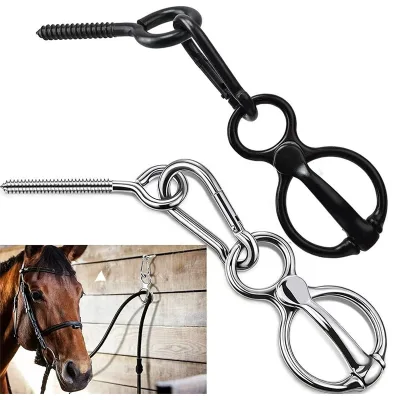


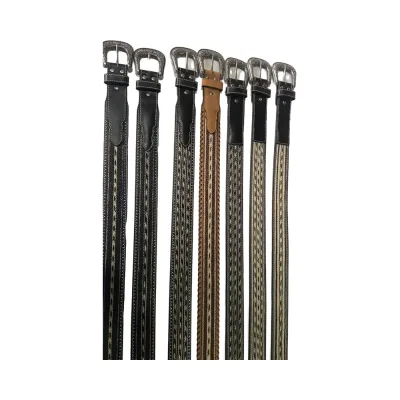


Comprehensive Sourcing Guide
Adjustable Horse Trail Tie Sourcing Guide
Sourcing adjustable horse trail ties requires a nuanced understanding of equestrian tack functionality, material durability, and supply chain logistics. While the term "trail tie" often refers to a specific type of halter or lead rope configuration used for securing horses during travel or trail rides, the available market data presents a complex landscape of related equestrian accessories. Buyers must carefully distinguish between primary restraint equipment and complementary gear such as saddles, bridles, and apparel. The core keyword suggests a need for a versatile, secure, and adjustable tying mechanism that can withstand the rigors of trail use. However, current listing signals indicate a heavy concentration on Western saddles, equestrian suits, and decorative accessories rather than dedicated trail ties. This discrepancy necessitates a rigorous verification process to ensure that the products identified actually meet the functional requirements of a trail tie, rather than being mislabeled or tangentially related items.
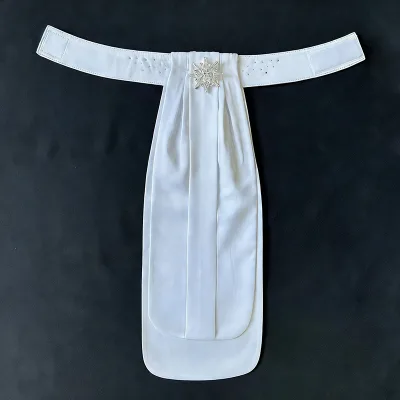
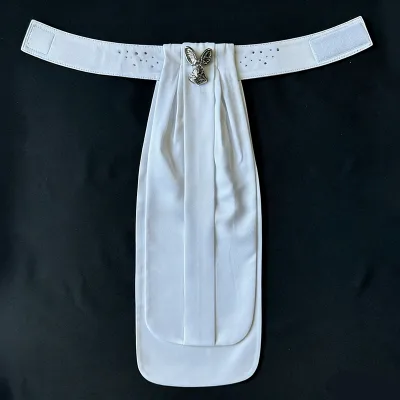
The procurement strategy must account for the diverse range of products currently listed under broad equestrian categories. Observations show a significant volume of listings for Western saddles, leather bands, and even equestrian suit bow ties, which are fundamentally different from trail ties. For instance, specific models like the "Horse Western Saddle-098N" and "Leather band-C" dominate the visible inventory, alongside silk bow ties and cotton-shell saddles. This suggests that suppliers may be aggregating a wide array of equestrian goods under generic tags. Consequently, buyers focusing on adjustable horse trail ties must look beyond the initial keyword match and scrutinize product descriptions for specific features such as quick-release buckles, shock-absorbing materials, and adjustable length mechanisms. The goal is to filter out unrelated items like saddles or apparel and identify suppliers who specialize in functional tack rather than decorative or seating equipment.
Product Scope and Observed Listing Signals
The current market landscape for equestrian products is characterized by a broad mix of high-value durable goods and lower-cost accessories. Listings indicate a price range from $0.5 to $1500 USD, reflecting the disparity between simple nylon bands and complex Western saddles. The observed Minimum Order Quantities (MOQ) vary significantly, ranging from 1 piece to 10,000 pieces, with specific mentions of 1000 pieces per size/color for certain items and 200 pairs for others. This variability suggests that suppliers operate on different scales, from small-batch customizers to large-volume manufacturers. For a buyer seeking adjustable horse trail ties, these signals imply that finding a dedicated supplier might require negotiating custom MOQs or sourcing from generalist tack manufacturers who can produce ties as part of a larger order. The presence of OEM and customization options indicates that private labeling and specific design adjustments are feasible, provided the buyer can meet the supplier's production thresholds.
Specific product attributes observed in the listings provide insight into the types of materials and designs currently prevalent in the market. Materials such as nylon, silk, and leather are noted, with nylon being particularly relevant for trail ties due to its strength and weather resistance. The "Leather band-C" model, for example, offers adjustable lengths of 37 inches (max) and 25 inches (normal), which are dimensions that could be adapted for trail tie applications. Additionally, colors range from standard black and brown to vibrant options like red, green, and blue, allowing for customization to match brand identities or rider preferences. However, the presence of unrelated items like "Equestrian Suit Bow Tie" and "Horse Western Saddle" highlights the need for precise keyword filtering. Buyers must verify that the "adjustable" feature refers to the tie's length or fit, rather than the adjustable girth straps found on saddles or the Velcro-adjusted collars on suits.
Technical Specifications to Verify
When evaluating potential suppliers for adjustable horse trail ties, verifying technical specifications is paramount to ensuring safety and functionality. Key attributes to confirm include the material composition, tensile strength, and the mechanism of adjustment. While the supplied data mentions nylon and leather bands, buyers must specify whether the tie requires a static length with a sliding buckle or a fully adjustable strap system. The "Leather band-C" specification of 37 inches max adjust length is a useful benchmark, but buyers should inquire if this applies to the specific trail tie product or if it is a standard dimension for other accessories. Additionally, the presence of hardware such as belt buckles or quick-release mechanisms must be confirmed, as these are critical for emergency release in case a horse becomes entangled. The absence of specific tensile strength data in the current listings means buyers must request test results or material certifications to ensure the tie can withstand the force of a panicked horse.
Packaging and dimensional specifications also play a role in logistics and product presentation. The observed single package sizes, such as 20x20x15 cm for certain items and 50x40x30 cm for others, suggest variability in how products are prepared for shipment. For trail ties, which are relatively compact, buyers should expect smaller packaging dimensions, but must verify this with the supplier to avoid unexpected freight costs. The "Each Packed in a Polybag" standard is a common baseline, but for premium or branded ties, customized packing may be available, as indicated by the "Customized Packing" attribute. Furthermore, the single gross weight of items like 1.000 kg or 2.000 kg provides a reference for shipping calculations, though these weights likely correspond to heavier items like saddles or suits rather than individual ties. Buyers should request the exact weight and dimensions of the trail tie unit to ensure accurate freight forwarding and inventory planning.
Compliance and Safety Documentation
Safety is the most critical consideration when sourcing equipment used to restrain animals. While the supplied data mentions "Euro-USA quality" as a general attribute, this is a broad claim that requires substantiation through specific safety standards and certifications. Buyers must verify that the adjustable horse trail ties comply with relevant equestrian safety regulations, which may vary by region. In the European Union, products may need to meet CE marking requirements if classified as personal protective equipment or specific animal welfare gear. In the United States, adherence to ASTM International standards for equestrian equipment may be relevant, particularly regarding the strength of buckles and the reliability of quick-release mechanisms. The absence of explicit certification details in the current listings means buyers must proactively request documentation from suppliers to ensure that the products meet legal and safety requirements in their target markets.
Additionally, material safety and environmental compliance should be assessed, especially if the ties are intended for use in regions with strict chemical regulations. Leather and nylon products may be subject to restrictions on certain dyes, tanning agents, or plasticizers. Buyers should inquire about the presence of hazardous substances and request Material Safety Data Sheets (MSDS) or compliance certificates for the raw materials used. The "Quality: Euro-USA quality" claim suggests a higher standard, but it does not replace the need for specific test reports. Furthermore, if the ties are marketed as "wear-resistant" or "waterproof," as noted in some product attributes, buyers should verify these claims through independent testing or supplier-provided data. Ensuring that the product does not degrade quickly or release harmful particles is essential for maintaining animal welfare and brand reputation.
Cost Drivers and Commercial Terms
The cost of adjustable horse trail ties is influenced by several factors, including material choice, customization level, and order volume. The observed price range of $0.5 to $1500 USD reflects the diversity of products, with ties likely falling on the lower end of this spectrum compared to saddles. However, the MOQ of 10,000 pieces for some items and 1000 pieces for others indicates that economies of scale play a significant role in pricing. Buyers seeking smaller quantities may face higher unit costs or be required to pay for setup fees for custom designs. The availability of OEM services and logo acceptance suggests that branding can be integrated into the product, which may add to the cost but enhances brand value. Buyers should negotiate clearly on unit prices, tooling fees, and sample costs to avoid hidden expenses.
Commercial terms such as lead times and payment conditions are also critical components of the procurement process. The "Each order finished time guarantee" of 30-45 days provides a baseline for production schedules, but buyers should confirm if this timeline includes sample approval and shipping. Delays in sample approval or material sourcing can extend this period, impacting inventory planning. Payment terms, typically ranging from 30% deposit to 70% before shipment, should be negotiated based on the buyer's risk tolerance and the supplier's reputation. Additionally, the "Sample Time: 7 Days" attribute indicates a relatively quick turnaround for prototypes, which is beneficial for quality verification. Buyers should ensure that the sample cost is refundable upon placing a bulk order and that the sample reflects the final product's quality and specifications.
Supplier Qualification and Quality Control
Qualifying suppliers for adjustable horse trail ties requires a thorough assessment of their manufacturing capabilities and quality control processes. The observed origin of products in Hebei, China, and the general origin of China suggests a concentration of manufacturing in specific regions known for leather and textile production. Buyers should verify the supplier's factory size, production capacity, and experience in equestrian tack. The "OEM: Yes" and "Customized: Customized" attributes indicate flexibility, but buyers must ensure that the supplier has the technical expertise to produce high-quality adjustable mechanisms. Requesting references from other clients and visiting the factory, if possible, can provide valuable insights into the supplier's operational standards. Additionally, checking for business licenses and export records can help verify the supplier's legitimacy and reliability.
Quality control measures should be established to ensure consistency and reliability in the final product. Buyers should implement a pre-production sample approval process, followed by in-line inspections during production and a final random inspection before shipment. The "Quality: Euro-USA quality" claim should be validated through these inspections, focusing on stitching strength, buckle functionality, and material finish. Defect rates should be clearly defined and agreed upon, with penalties for non-conforming products. Suppliers should also provide a warranty or guarantee against manufacturing defects, ensuring that any issues are addressed promptly. By establishing robust quality control protocols, buyers can mitigate the risk of receiving substandard products and maintain customer satisfaction.
Long-Term Procurement Checks
Long-term procurement success depends on continuous monitoring of supplier performance and market trends. Buyers should regularly review supplier metrics such as on-time delivery rates, product quality consistency, and responsiveness to issues. Building a strong relationship with the supplier can lead to better pricing, priority production, and access to new designs. Additionally, staying informed about changes in equestrian fashion and safety standards is crucial for maintaining product relevance. The observed variety of colors and styles, from classic black to vibrant options, suggests that market preferences can shift quickly. Buyers should engage in regular communication with suppliers to discuss upcoming trends and potential product improvements.
Furthermore, diversifying the supplier base can reduce risk and increase bargaining power. While the current data points to specific suppliers, buyers should identify alternative sources for adjustable horse trail ties to ensure supply chain resilience. This may involve exploring suppliers in different regions or those specializing in different materials. Regular audits of the supply chain, including assessments of ethical labor practices and environmental impact, are also becoming increasingly important for brand reputation. By maintaining a proactive approach to supplier management and market analysis, buyers can ensure a steady supply of high-quality adjustable horse trail ties that meet the evolving needs of their customers.
FAQs
Can I customize the Adjustable Horse Trail Tie specifications?
Yes, customization is available for the Adjustable Horse Trail Tie. The product supports customized sizes and colors, allowing buyers to specify unique requirements. This flexibility ensures the final product meets specific operational needs while maintaining quality standards.
What is the minimum order quantity for these saddles?
The minimum order quantity is 1000 pieces per size and color. This requirement applies to the listed saddle models and ensures efficient production scheduling. Buyers must plan their orders to meet this threshold before production begins.
How long does it take to finish an order?
Each order has a finished time guarantee of 30 to 45 days. This lead time covers the manufacturing and quality assurance processes. Buyers should account for this duration when planning their procurement schedules and delivery expectations.
Which materials are used for the equestrian accessories?
Materials include nylon, silk, and cotton depending on the specific item. For instance, some accessories feature nylon shells while others use silk for bow ties. The choice of material ensures durability and comfort for the intended equestrian applications.
What is the origin location of these products?
The products originate from Hebei, China. This location is the primary place of origin for the listed saddles and accessories. Buyers sourcing from this region can expect established manufacturing capabilities and logistics networks.
Can I request a custom logo on the product?
Yes, logo acceptance is available for customization. Buyers can request specific branding to be applied to the items. This service allows for personalized products that align with the buyer's brand identity and marketing strategies.